Page 1 of 1
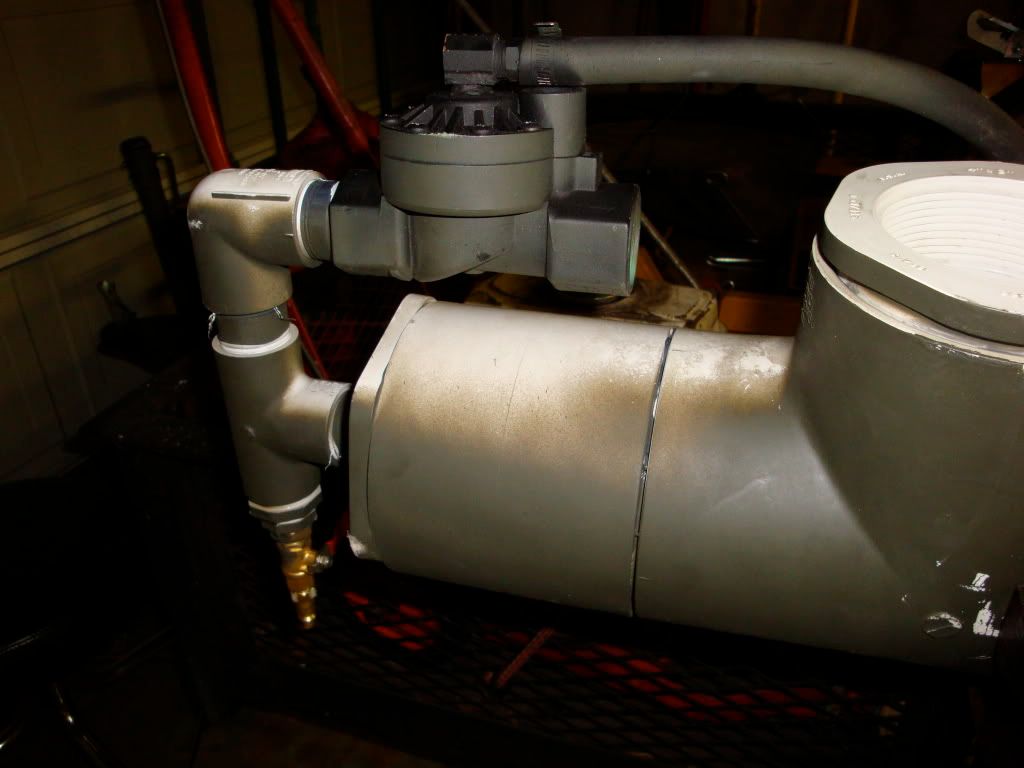
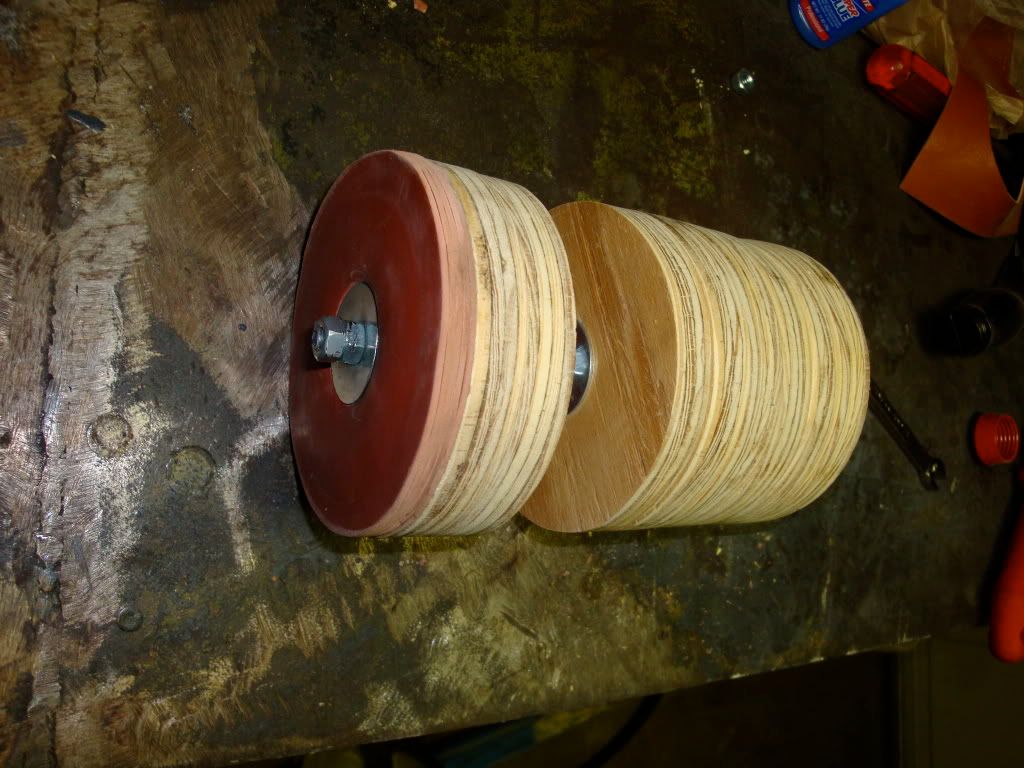
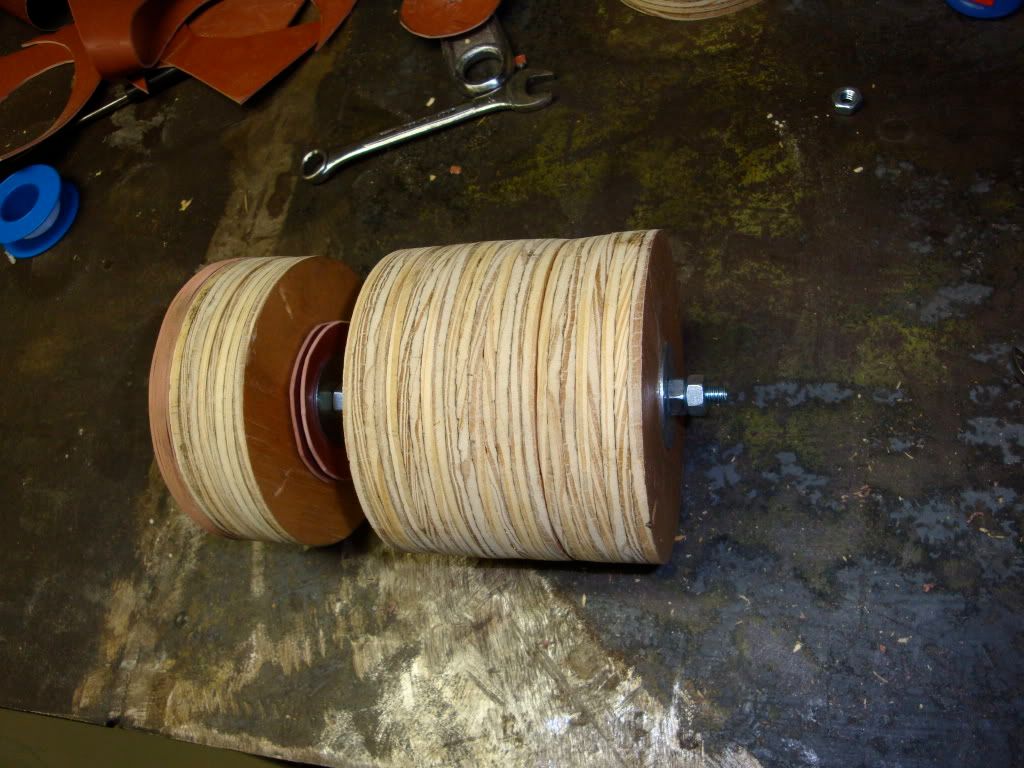
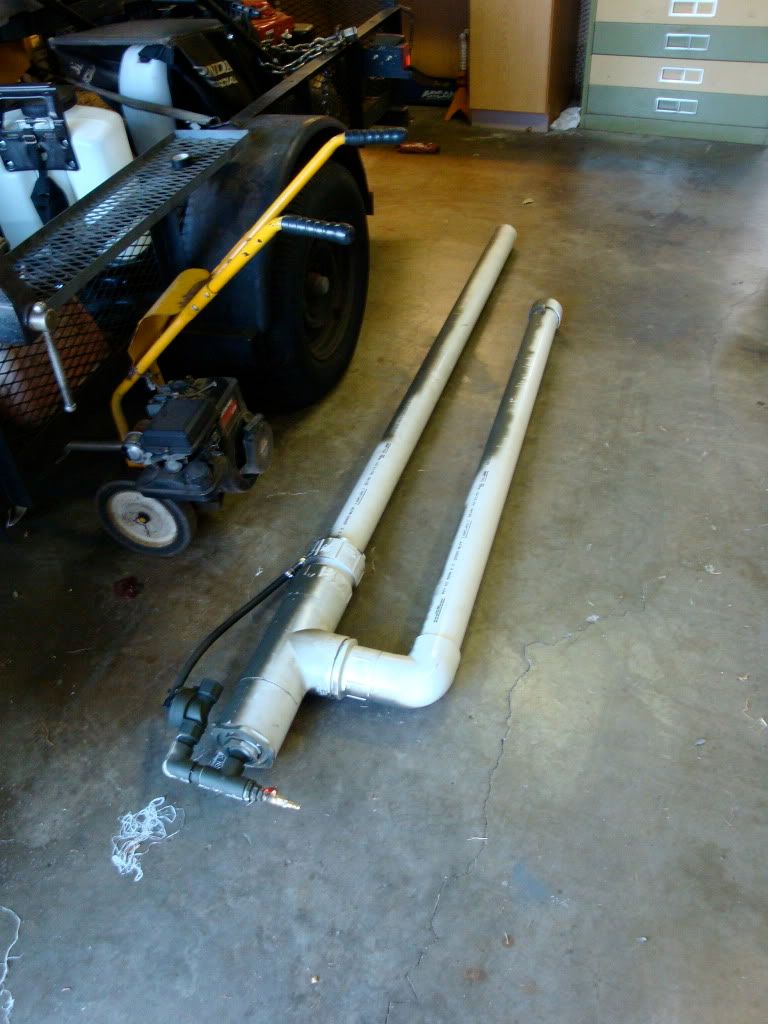
Piston Valve problems 4" tee with 3"barrel.
Posted: Thu May 06, 2010 12:10 am
by AJAX
Posted: Thu May 06, 2010 12:24 am
by Technician1002
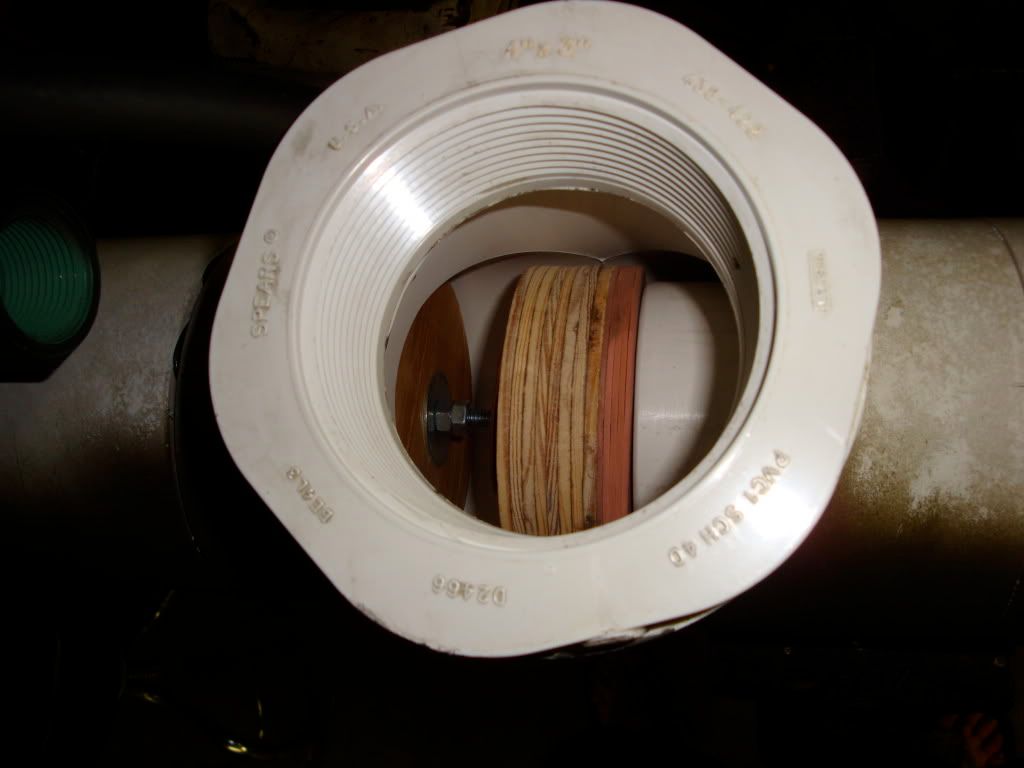
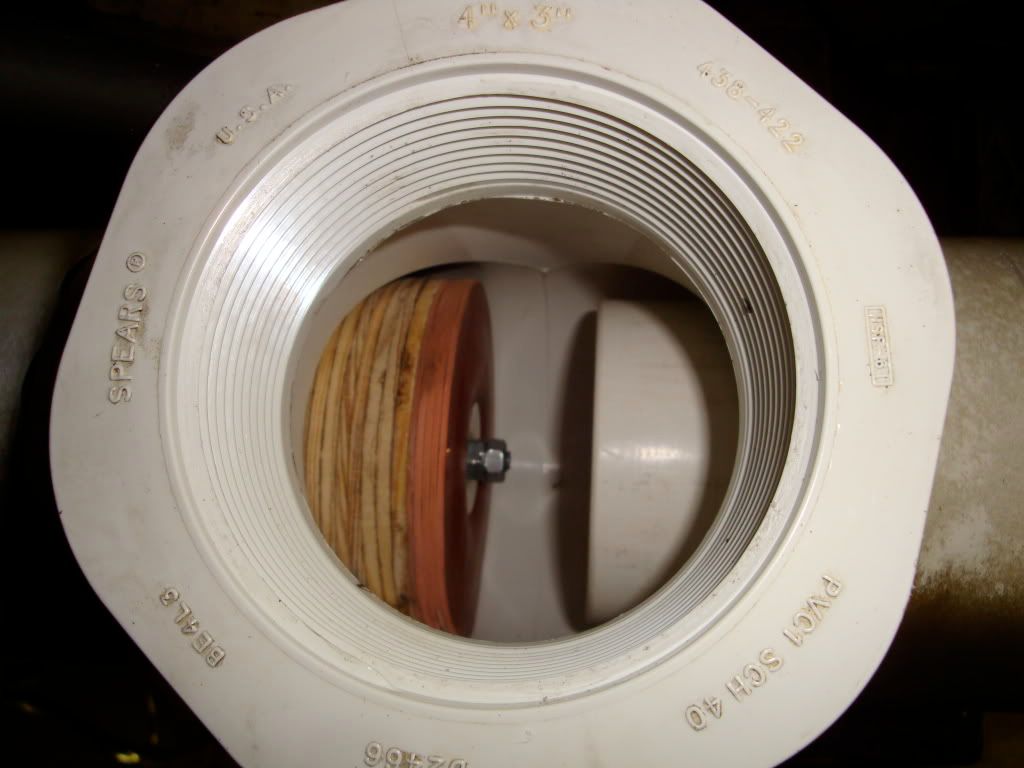
Too much air is leaking past the piston from the chamber to the pilot area or the piston is sticking. Due to the design I doubt the piston is stuck. The leakage is high enough to keep the pilot area pressure high enough to hold the valve closed. The addition of a layer of felt (craft shop square) glued down with Elmer's glue will fill the space and greatly reduce the blow by. The fuzzy surface provides a huge drag on the air trying to blow by. This will fix many wooden piston problems without resorting to o rings.
After the glue is completely dry and the felt is fully bonded, it can be saturated with grease for even better performance. Several soup can piston designs use a wrap of felt with good success.
Be sure the bumper is up to snuff. The wood mallet pounding on the back can break things.
Posted: Thu May 06, 2010 12:26 am
by jackssmirkingrevenge
Welcome to spudfiles

It seems that you have 2 problems:
1) your piston is far too heavy (and I hope you have a decent bumper in place because if it does work, it´s going to have a lot of momentum!)
2) your piston is not tight enough in the chamber it's travelling in.
Problem 2) is a common issue, the outer diameter of the piston should be as close as possible to the inner diameter of the tee, can you measure these dimensions?
Posted: Thu May 06, 2010 12:37 am
by AJAX
Thanks for the Speedy Responses. Both of your conclusions i feel are very reasonable and i had some anticipation that those might have been the problem. I will Try the Felt First as a quick fix. However in the long run. i am fortunate enough to have 3D printer at School that i can use to print out a much lighter and Tighter tolerance piston. as the Printer will make the piston out of a Bee hive structure. My other Question would be should the piston i would print out be solid? or can it be ribbed or have cut aways? the more plastic i use the more expensive it is. not saying it will make a huge difference in cost.
Also any clue of how tight the piston should be? we are talking .001?
Posted: Thu May 06, 2010 1:02 am
by jackssmirkingrevenge
AJAX wrote:Thanks for the Speedy Responses. Both of your conclusions i feel are very reasonable and i had some anticipation that those might have been the problem. I will Try the Felt First as a quick fix. However in the long run. i am fortunate enough to have 3D printer at School that i can use to print out a much lighter and Tighter tolerance piston. as the Printer will make the piston out of a Bee hive structure. My other Question would be should the piston i would print out be solid? or can it be ribbed or have cut aways? the more plastic i use the more expensive it is. not saying it will make a huge difference in cost.
For starters, you can replace the second disk from right
here with a spacer, it's just adding extra weight and friction. I would personally go for just 3 thin disks, one for the sealing face and another two forming a spool, have a look at
this threadfor inspiration (and a preview of what might happen without a good bumper)

Also any clue of how tight the piston should be? we are talking .001?
Imagine you have a 3.999 inch piston in a 4.000 inch tee. This means that there is an effective area of 0.006 in<sup>2</sup> through which air can flow past the piston from the chamber. Let's imagine your 1" pilot valve has true 1" porting, this means that the air can flow out of an area of 0.7855 in<sup>2</sup> - so the pilot chamber is emptying at a much faster rate than it can be refilled from the chamber, and the piston should actuate. Imagine your piston were to be 3.900 inches diameter, the blowby area would be 0.6205 in<sup>2</sup> - very close to your pilot valve porting and the piston would likely never move.
Instead of felt, as a temporary measure you could try building up the diameter of the piston with duct tape.
Posted: Thu May 06, 2010 1:04 am
by Technician1002
Take any material you are considering for a piston and hit it a few times with a hammer. Durable and high impact resistance is important. Soft and bendy is bad. Hard and brittle is bad. Light and tough is good. Making a piston slightly large and sanding it to size works well on a belt sander, or simply building up a slightly undersized piston with wood glue and felt or paper works too. If you are skilled, adding an o ring is the ultimate.